What is the lifespan of an angle grinder?
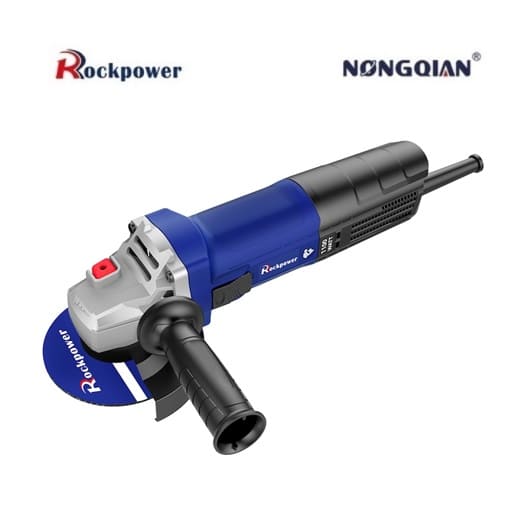
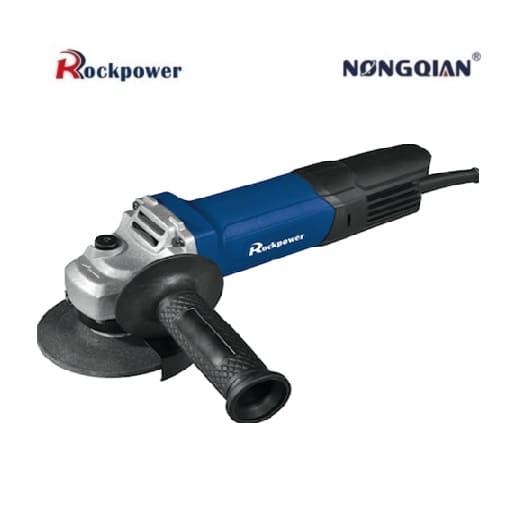
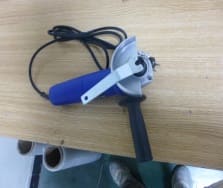
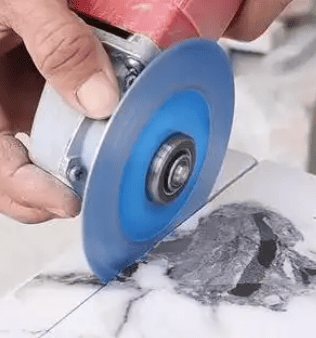
The lifespan of an angle grinder has no fixed number of years and varies significantly depending on usage scenarios, maintenance quality, and core component performance, but generally ranges from 3 to 5 years for light household use and around 1 to 3 years for high-intensity professional use; with proper maintenance and appropriate use, some high-quality models can even last longer. As a common power tool, the angle grinder is widely used in processing and trimming materials such as metal and stone, similar to the marble cutter which is also a frequently used tool for stone processing. Understanding the lifespan of the angle grinder and the factors affecting it is crucial for both daily DIY enthusiasts and professional construction workers, as it helps to optimize the use efficiency of the tool and reduce unnecessary replacement costs.
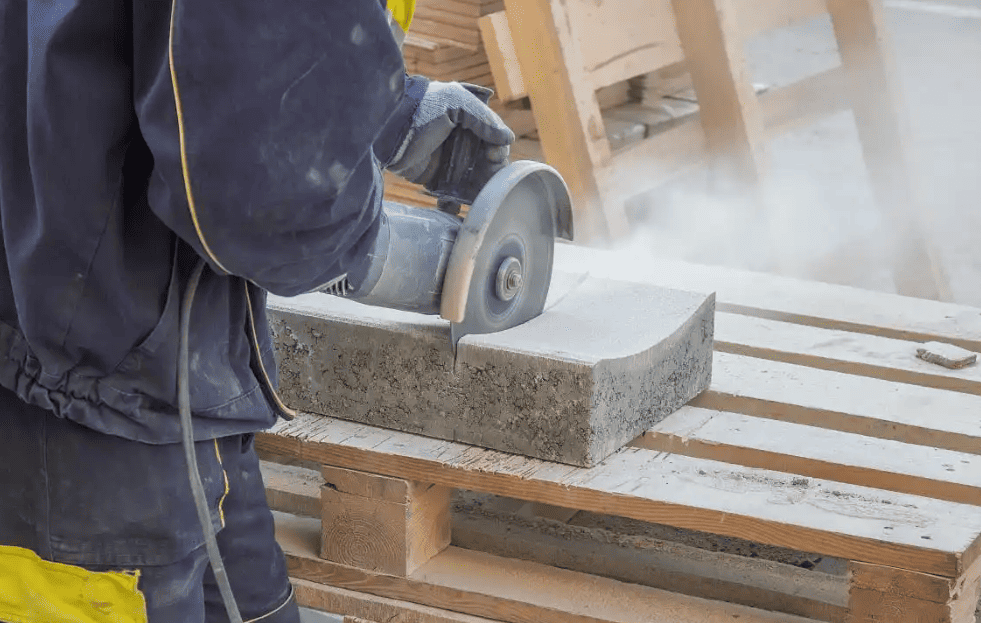
Overview of Angle Grinder Lifespan
As a typical grinding machine, the overall lifespan of an angle grinder is not fixed by a specific number of years, but a clear reference range can be given based on different typical usage scenarios. For light household use, if it is only used for occasional DIY projects such as polishing metal furniture, trimming wooden boards, or small-scale home renovation tasks, and proper maintenance is carried out regularly, the angle grinder can usually be used for 3 to 5 years, and some high-quality models may even have a longer service life. This is because the frequency and intensity of household use are relatively low, and the wear and tear on internal components such as the motor, gears, and bearings is mild.
In contrast, for high-intensity professional use, such as daily grinding of welds on construction sites, cutting large batches of metal materials, or long-term stone processing (a scenario where it is often used alongside the marble cutter), the angle grinder is in a high-load working state for a long time. In such cases, the tool may require major maintenance after about 1 year of use, and it is recommended to consider replacement after 3 years. This is because continuous high-load operation will greatly accelerate the wear of internal components, and the performance of the tool will gradually decline, which not only affects the work efficiency but also may bring potential safety hazards.
The lifespan of the core motor is a key factor determining the overall lifespan of the angle grinder. At present, there are two main types of motors used in angle grinders: brushless motors and brushed motors. The lifespan of a brushless motor can reach 1000 to 1200 hours of operation, while the replacement cycle of carbon brushes in brushed motors is about 1000 to 3000 hours. Calculated based on 2 hours of use per day, the motor part can last for 1.5 to 3 years. However, it should be noted that the overall lifespan of the angle grinder is not only determined by the motor, but also affected by other components such as gears and bearings. If these components are severely worn, the entire machine may need to be replaced even if the motor is still functional.
Key Factors Affecting Lifespan
The durability of an angle grinder is affected by many factors. Understanding these factors is helpful for users to take targeted measures to extend its service life. Firstly, the type of motor is a crucial factor. Brushless motors are more durable than brushed motors. Since brushless motors do not have carbon brushes that are prone to wear, they do not require frequent replacement of carbon brushes, and their internal structure is more stable, so their lifespan is significantly longer. Brushed motors, on the other hand, rely on the contact between carbon brushes and the commutator to transmit current. During long-term operation, the carbon brushes will gradually wear out, and if they are not replaced in time, the motor may fail, thereby affecting the overall lifespan of the angle grinder.
Secondly, the intensity and scenario of use have a direct impact on the lifespan of the angle grinder. High-load continuous work, such as grinding a large number of welds for several hours in a row or cutting hard materials for a long time, will generate a lot of heat inside the tool and accelerate the wear of components such as gears and bearings. In contrast, intermittent household use, where the tool is used for a short time each time and has sufficient rest time, can effectively reduce component wear and extend the service life. In addition, the working environment also matters. Working in a dusty, humid, or high-temperature environment will accelerate the corrosion and aging of internal components and the outer casing of the angle grinder. For example, in a humid construction site, metal components are prone to rust, and dust can block the heat dissipation holes, leading to overheating of the motor.
Thirdly, the matching of power and size with the task is also an important factor affecting lifespan. Different types of angle grinders have different power and size specifications. For example, 4.5-inch angle grinders are suitable for light grinding tasks such as polishing small metal parts, while 7-9 inch angle grinders are suitable for heavy-duty operations such as cutting thick metal plates or large stone blocks. If the user chooses an angle grinder with insufficient power or inappropriate size for a heavy-duty task, the tool will be in an overloaded operation state for a long time, which will greatly increase the burden on the motor and other components and shorten the service life. This principle also applies to other power tools such as the marble cutter; choosing the right specifications for the task is the basic requirement for extending service life.
Fourthly, the heat dissipation design of the angle grinder plays a vital role in protecting internal parts. During operation, the motor and other components of the angle grinder will generate a lot of heat. A good heat dissipation system, such as an optimized air duct design and a large-diameter heat dissipation window, can quickly discharge the generated heat, prevent the tool from overheating, and thus protect the internal components from damage due to high temperature. On the contrary, angle grinders with poor heat dissipation design are prone to overheating during long-term operation, which will accelerate the aging of insulation materials and the wear of mechanical components.
Finally, regular maintenance and cleaning are important guarantees for extending the lifespan of the angle grinder. No matter how high-quality a power tool is, it cannot do without proper maintenance. Regular cleaning of the tool’s surface and internal dust, especially the dust in the heat dissipation holes and gearbox, can ensure the smooth operation of the components. In addition, regular lubrication of the gearbox, checking the wear of carbon brushes, and following the maintenance suggestions provided by the manufacturer can effectively extend the lifespan of the carbon brushes and the entire machine. For rechargeable angle grinders, proper maintenance of the charger is also necessary; using the original charger and avoiding overcharging or undercharging can protect the battery and thus ensure the normal use of the tool.
How to Extend the Lifespan of an Angle Grinder
By adopting correct usage methods and regular maintenance, the service life of the angle grinder can be maximized. Firstly, correct operation is the basic requirement. During use, users should avoid “hard pushing” the abrasive tool. Hard pushing will increase the load on the motor and the abrasive tool, easily causing the motor to overload and the abrasive tool to break. At the same time, it is necessary to ensure that the power of the angle grinder is sufficient to support the performance of the abrasive tool. For example, when using a high-hardness abrasive tool to process hard materials, an angle grinder with sufficient power should be selected to avoid insufficient power leading to abnormal operation of the tool.
Secondly, regular maintenance is essential. Users should regularly check the wear of the carbon brushes. When the performance of the angle grinder decreases, such as reduced power, increased noise, or sparking at the motor, it may be due to excessive wear of the carbon brushes, and they should be replaced in time. In addition, the gearbox should be regularly checked for lubrication. If the lubricating oil is insufficient or deteriorated, it should be supplemented or replaced in time to reduce the friction between gears. For the charger of rechargeable angle grinders, it is necessary to check the wire insulation layer regularly to avoid short circuits caused by wire damage.
Thirdly, choosing the right abrasive tool is crucial. Using engineering-grade abrasive tools that match the processed materials can not only improve work efficiency but also reduce the load on the tool and extend its service life. For example, when processing metal materials, abrasive tools with high hardness and good wear resistance should be selected; when processing stone materials, diamond abrasive tools or silicon carbide abrasive tools are recommended, which are more suitable for the characteristics of stone materials and can reduce the wear of the tool. It should be noted that different materials should use special abrasive tools, and metal and stone processing should not share the same abrasive tool, so as to avoid excessive wear of the abrasive tool and the tool itself.
Fourthly, proper storage and environmental protection are also important measures to extend the lifespan. After use, the angle grinder should be kept dry and clean. The dust on the surface and inside of the tool should be cleaned in time to avoid dust entering the internal components and causing blockage or wear. When storing, the tool should be placed in a dry, ventilated, and cool environment, avoiding direct sunlight and humid places. For long-term storage, it is recommended to hang the angle grinder to avoid moisture on the rotor; at the same time, the carbon brush can be taken out to prevent adhesion between the carbon brush and the commutator. In addition, the tool should be avoided from being dropped or collided with hard objects during storage and transportation, so as to prevent damage to the casing and internal components.
Can an Angle Grinder Last 20 Years?
Many users may wonder whether an angle grinder can be used for 20 years. In fact, whether an angle grinder can last for 20 years mainly depends on the frequency of use and the way of maintenance. For angle grinders that are rarely used, such as those used only once or twice a year for simple household maintenance tasks, their service life may indeed be longer, but it should be noted that the lifespan of the tool is not solely determined by time. Long-term storage may lead to problems such as drying of internal lubricants, aging of circuits, and corrosion of metal components, which will also affect the usability of the tool.
In an ideal state, a high-quality angle grinder, under the conditions of moderate use and good maintenance, may reach a service life of 20 years, but this is a very ideal situation and rarely achieved in actual use. The key factors affecting whether it can be used for 20 years include the storage environment, regular maintenance, usage habits, and accessory quality. A dry and ventilated storage environment can prevent metal components from rusting; regular maintenance, even for tools that are not used for a long time, such as checking the carbon brushes and bearings every six months and energizing and idling for 1-2 minutes to keep the motor active, can effectively delay component aging; good usage habits, such as avoiding overloading, using the correct abrasive tools, and not using violent operations, can reduce component wear; using original accessories, such as original carbon brushes, gears, and chargers, can better protect the core components of the machine and avoid damage to the tool caused by inferior accessories.
To make the angle grinder last longer, here are some practical suggestions: clean the dust on the tool in time after each use, especially the dust in the heat dissipation holes and gearbox; apply anti-rust oil on the metal parts before storage to prevent rust; energize and idle the tool for 1-2 minutes every six months when it is not used for a long time to keep the internal lubricants and circuits in good condition; when replacing worn parts, choose matching models and prefer original accessories. It should be remembered that a power tool like an angle grinder is like an old friend; proper care can make it maintain a good working state for a longer time.
In conclusion, the lifespan of an angle grinder is not fixed, but is affected by a variety of factors such as motor type, usage intensity, maintenance quality, and storage environment. For most users, a well-maintained angle grinder can meet the needs of 3 to 5 years of household use or 1 to 3 years of professional use. Although it is difficult to achieve a 20-year service life, through scientific use and careful maintenance, the service life of the angle grinder can be maximized. For users who want to understand the specific service life of different models of angle grinders, they can refer to the detailed product parameters and user reviews on procurement platforms, which can provide more accurate reference information for purchasing and using angle grinders.